

Would you like to save this recipe?
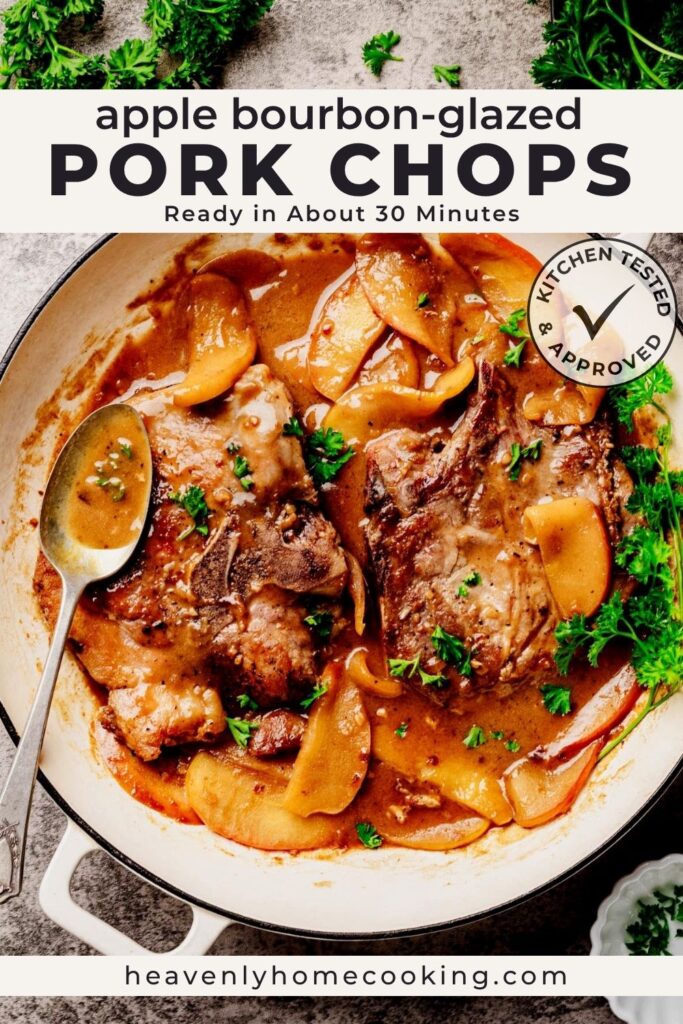
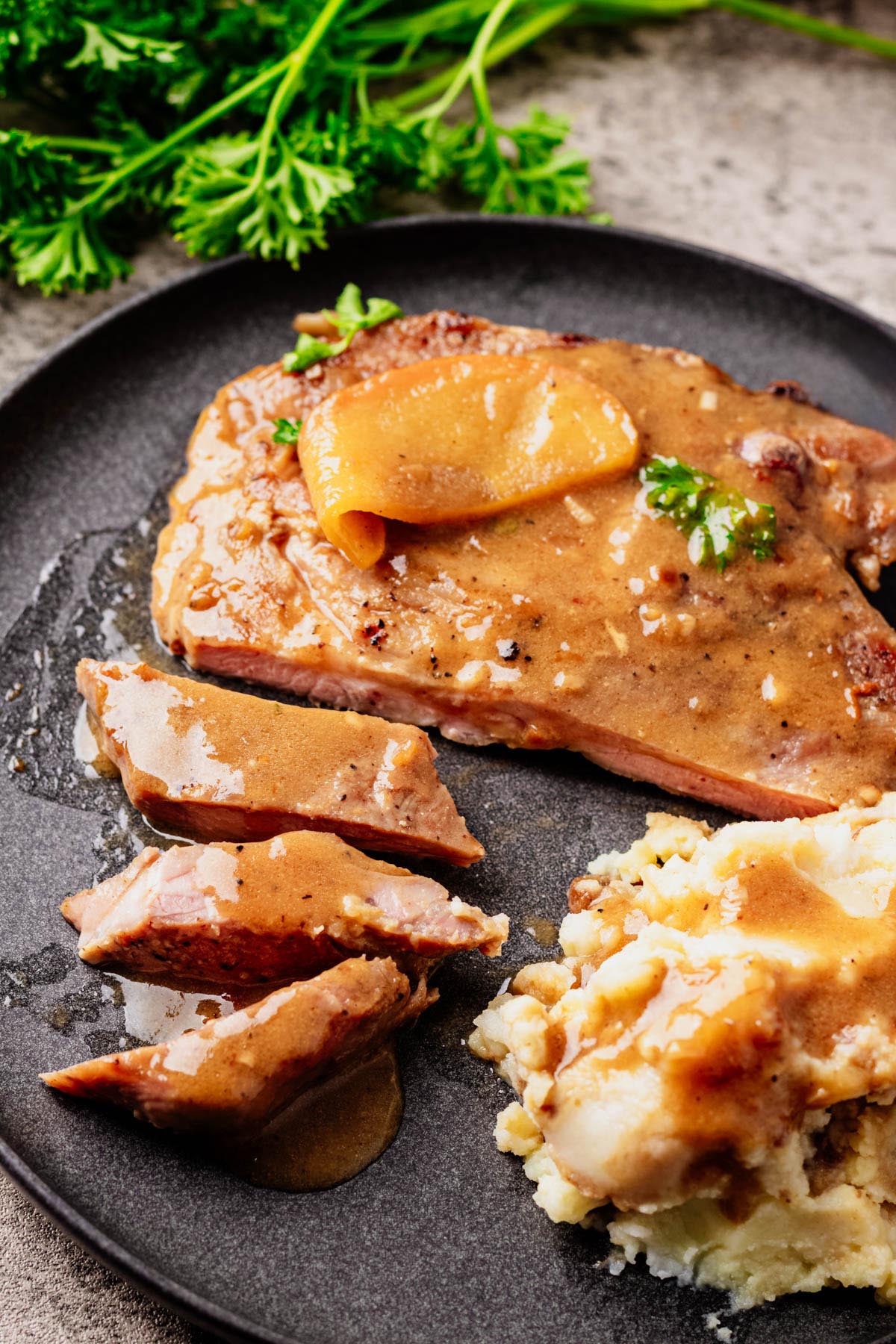
This bourbon-glazed pork chops recipe is one of those dinners my husband and I keep coming back to, especially once the evenings start to cool down. It’s simple enough to pull off after work, but it still feels like something you’d order out.
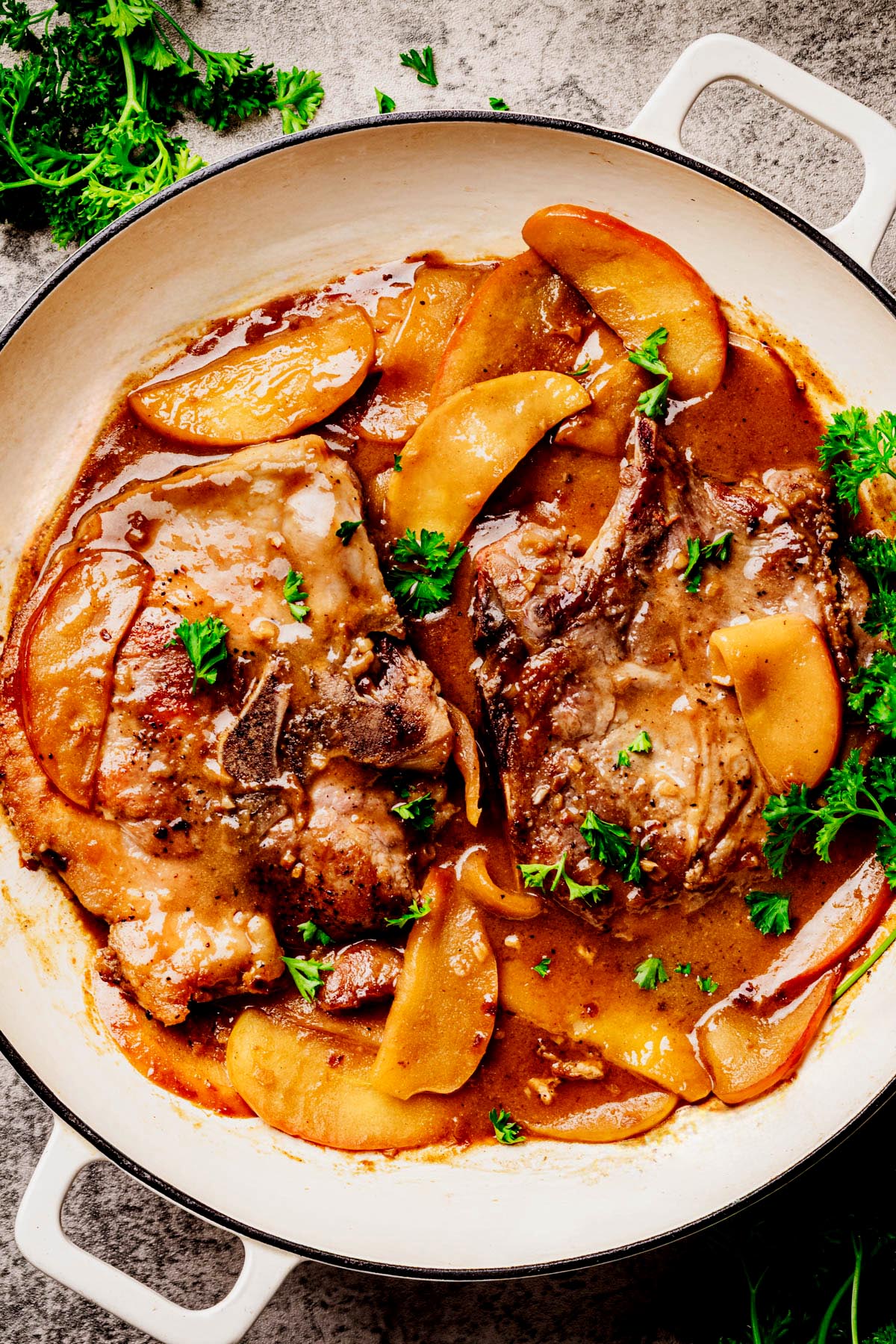
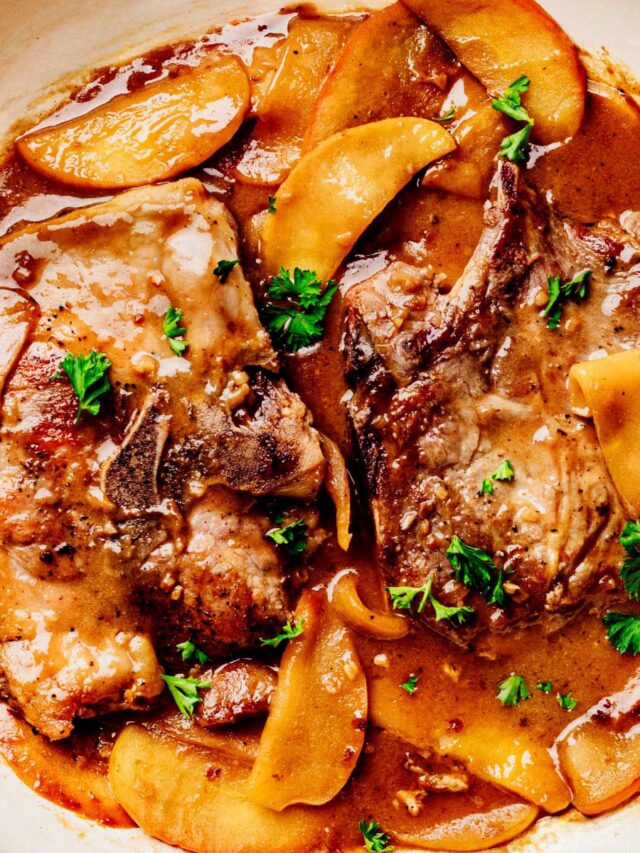
Thick bone-in pork chops get a beautiful sear, then simmer gently in a sweet apple bourbon glaze that fills the kitchen with the most mouthwatering aroma. The sauce is what really makes it shine. It’s sweet from the apples and cider, with tang from Dijon and vinegar, plus just enough bourbon to add warmth and depth without overpowering the dish.
We love serving it with mashed potatoes or roasted veggies—anything that will catch all that extra glaze. And the apples cook down until they’re perfectly tender, soaking up all those savory-sweet flavors along the way. It’s hearty, comforting, and a little unexpected in the best way. Once you try it, I think it’ll earn a spot in your fall and winter dinner rotation too.
What Sets This Recipe Apart
Ingredient Breakdown
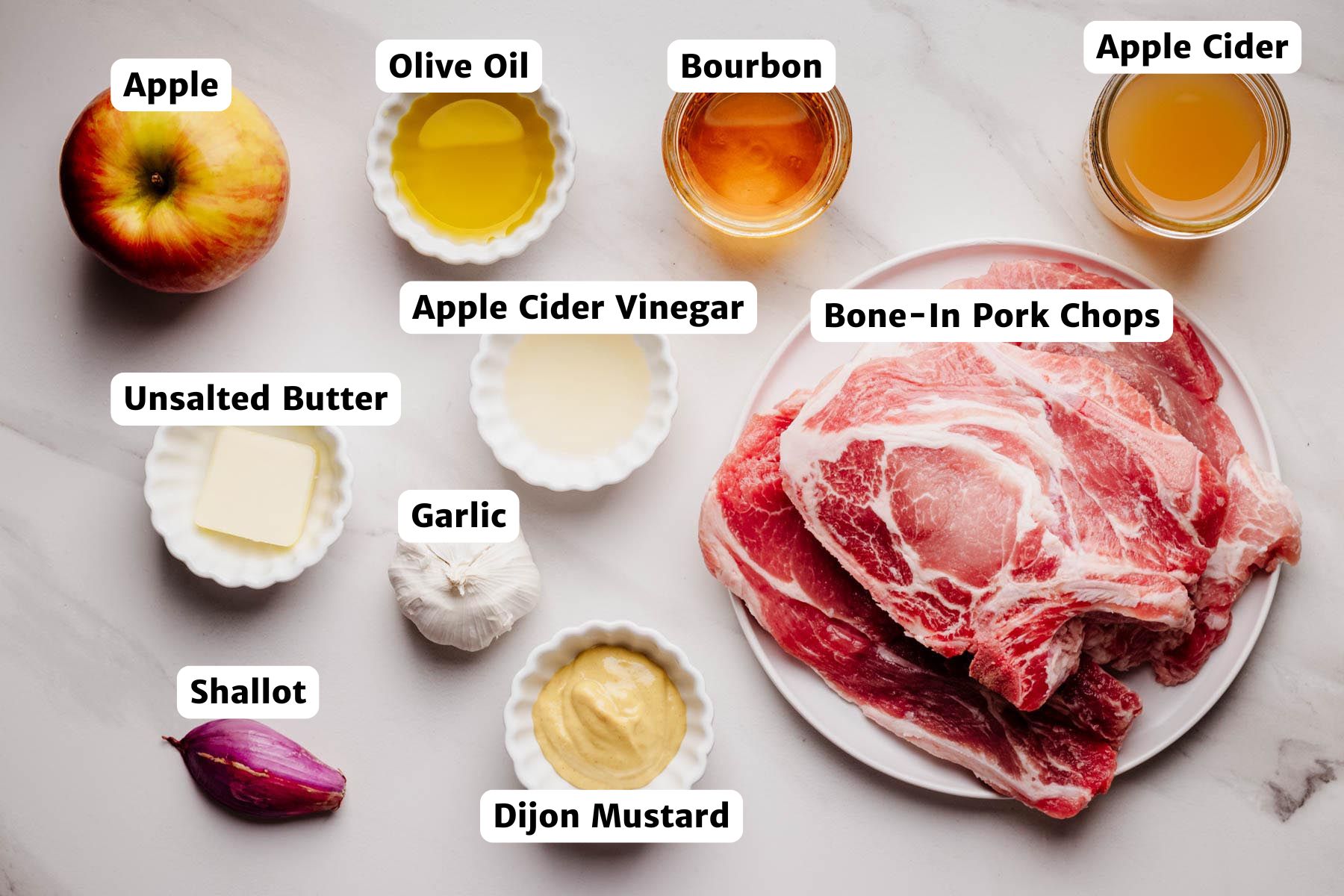
- Pork chops. Bone-in, about 1 inch thick, works best here. They stay juicy and develop a nice sear. Boneless chops can be used but keep a close eye on them since they tend to cook faster and dry out more easily.
- Olive oil + butter. Olive oil handles the searing, while butter adds richness to the apples and sauce. You can use avocado oil in place of olive oil and swap the butter for plant-based if preferred.
- Shallot. Adds a mild, slightly sweet onion flavor that blends beautifully into the glaze. If you don’t have shallot, finely chopped yellow onion works just fine.
- Garlic. Just two cloves give the sauce depth. Fresh is best, but 1/2 teaspoon garlic powder can work in a pinch.
- Apple. Choose a firm, sweet-tart variety like Honeycrisp or Pink Lady. Avoid softer apples like Red Delicious, which can turn mushy when cooked. Fuji or Braeburn are also good alternatives.
- Bourbon. Adds smoky, warm complexity to the glaze. Most of the alcohol cooks off, but if you prefer not to use it, substitute with more apple cider and a splash of vanilla.
- Apple cider. Unfiltered, fresh cider gives the sauce body and natural sweetness. If it’s not available, you can use unsweetened apple juice. Just reduce the brown sugar slightly or skip it altogether to keep the glaze balanced.
- Dijon mustard. Brings a little tang and helps emulsify the glaze. Stone-ground mustard is a good substitute but avoid yellow mustard. It’s too strong and won’t blend as well.
- Apple cider vinegar. Just a tablespoon brightens the sauce and cuts the sweetness. White wine vinegar or white balsamic can also work well.
- Brown sugar (optional). Adds a bit of caramel-like richness. Depending on your apple and cider, you may not need it. Start without, then taste and adjust.
- Crushed red pepper flakes (optional). For a subtle spicy kick that balances the sweet and savory. It’s totally optional. Leave it out if you prefer a milder flavor.
- Cornstarch + water (optional). For thickening the glaze if needed. If your sauce reduces well on its own, you might not need it, but it’s a handy backup.
- Fresh thyme or parsley (for garnish). Adds color and a fresh finish. You can skip it, but it gives the dish that little extra something.
Step-by-Step: How to Make It
Helpful Tips Before You Start
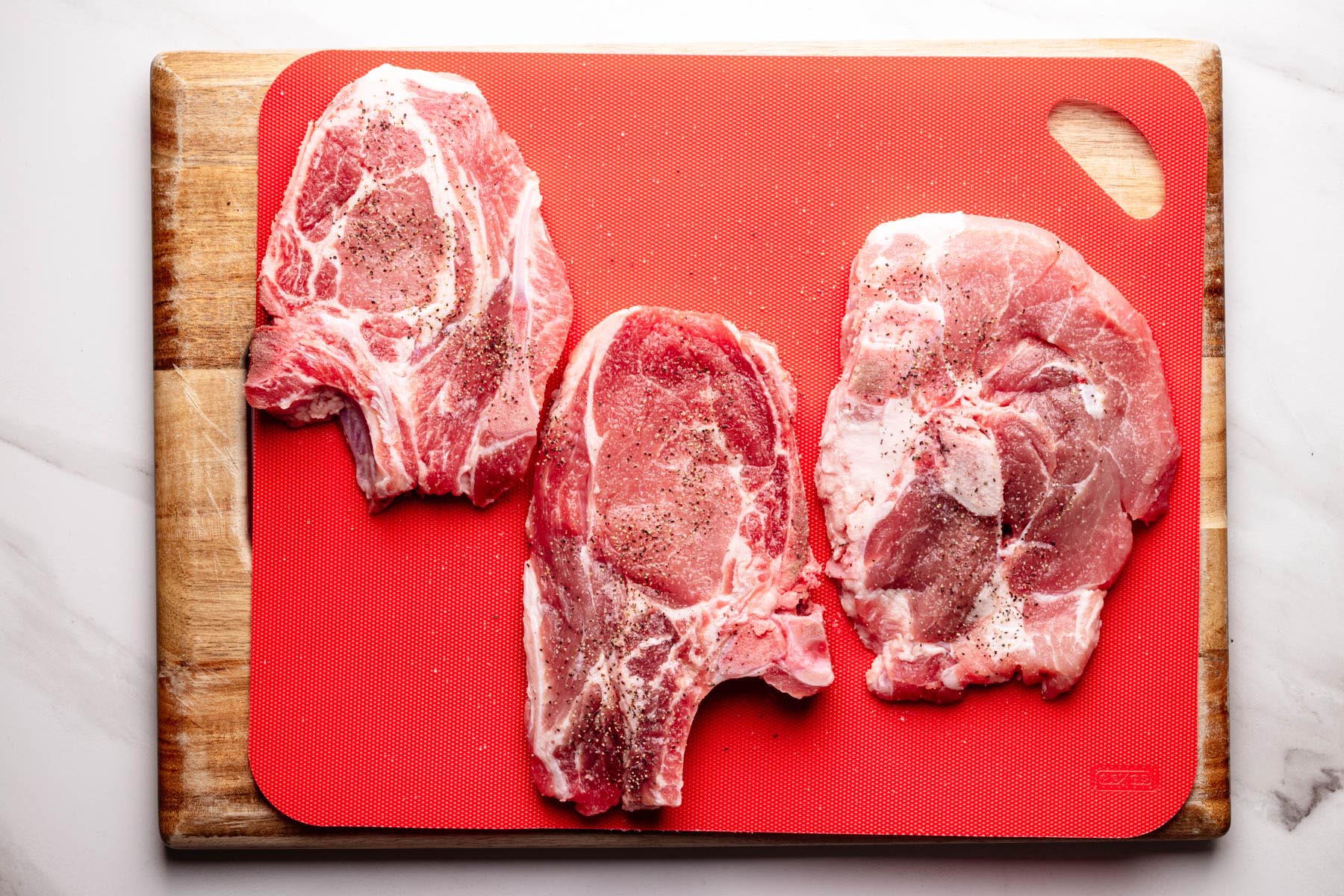
- Pat the pork chops dry before searing. This helps create a seared crust and keeps them from steaming in the pan.
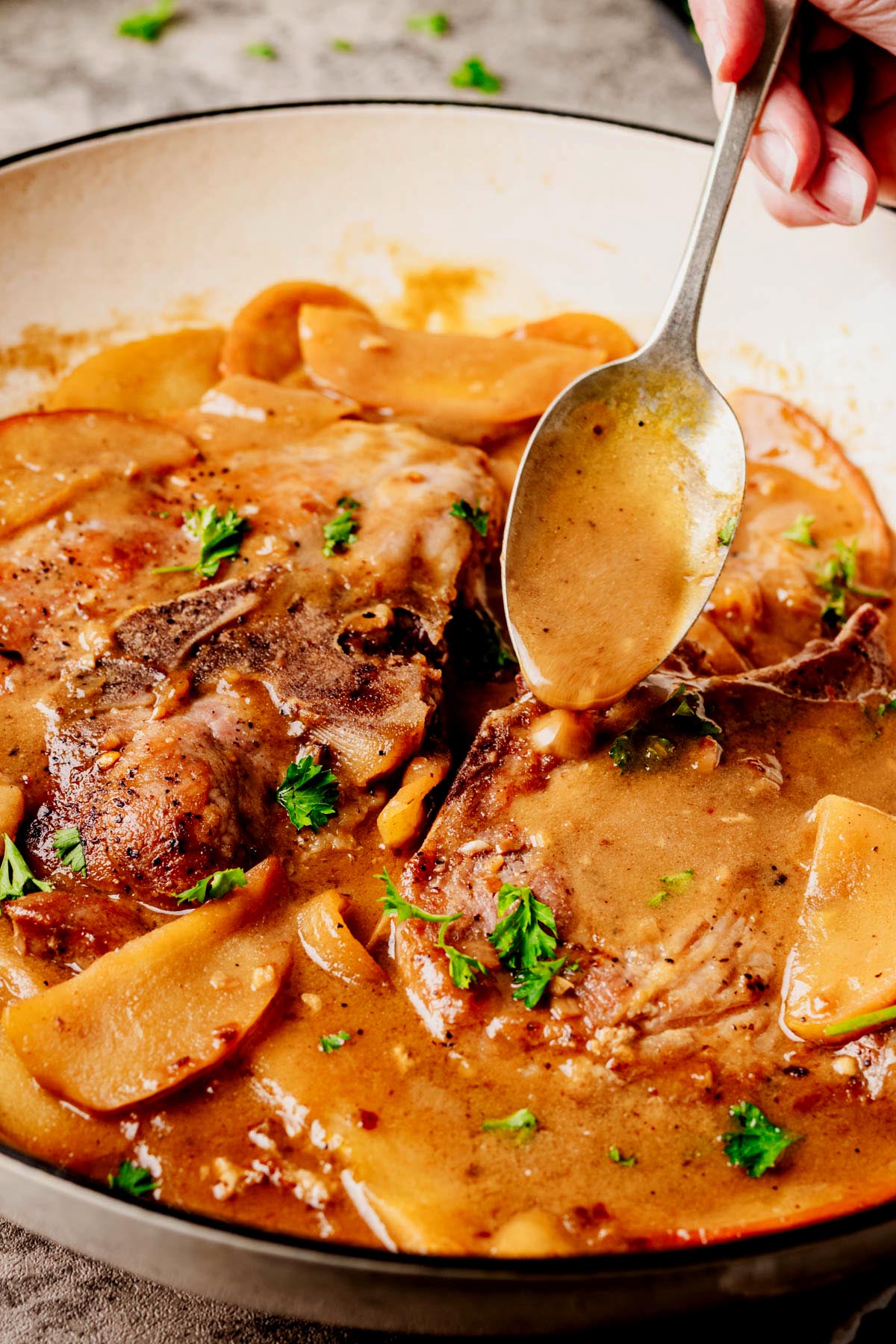
- Don’t rush the sauce. Letting the glaze reduce properly is key to that glossy, clingy texture. If you’re unsure, check that it coats the back of a spoon before moving on.
- Use the bourbon safely. Always add it off the heat to avoid flare-ups, especially if you’re cooking on a gas stove.
- Taste and adjust. Depending on your apple cider and apple variety, the sauce may need a splash of vinegar to reduce the sweetness or a touch of brown sugar to sweeten it up. Give it a quick taste before finishing.
- Let the pork rest. After simmering, let the pork chops sit in the skillet for a few minutes before serving. This keeps the juices in.
Storage and Reheating
- To store. Let the pork chops cool completely, then transfer them along with the apples and glaze to an airtight container. Refrigerate for up to 3 days. The sauce may thicken as it sits. This is normal.
- To reheat (microwave). Place a pork chop and some of the glaze and apples in a microwave-safe dish. Add a small splash of water or apple cider to loosen the sauce. Cover loosely with a lid or damp paper towel and heat on medium power for 1–2 minutes, then check and continue in 30-second bursts until heated through. Using medium power helps keep the pork tender instead of overcooked or rubbery.
- To reheat (stovetop). Place everything in a skillet over medium-low heat with a splash of water or cider. Cover and heat gently until warmed through.
- Freezing not recommended. The apples and glaze don’t freeze well and can become watery or lose their texture after thawing. This one’s best enjoyed fresh or from the fridge within a few days.
Related Recipes to Try Next
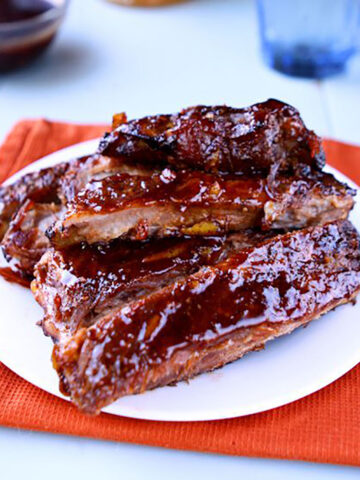
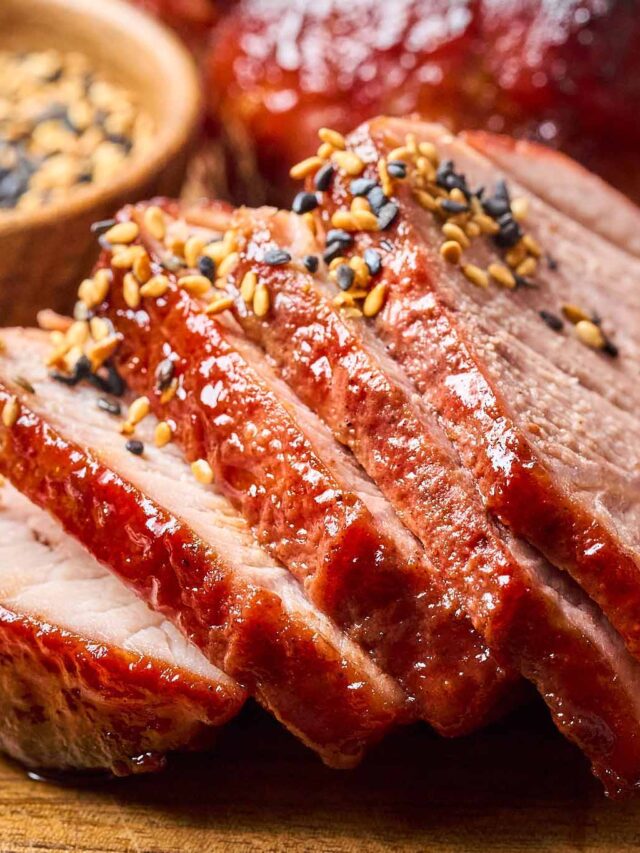
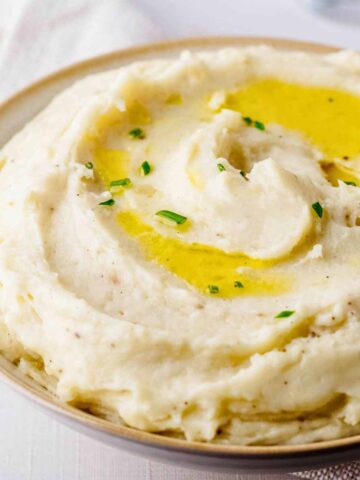
Bourbon-Glazed Pork Chops with Apples Recipe
Equipment
Ingredients
- 4 bone-in pork chops about 1 inch thick (Note 1)
- Kosher salt and freshly ground black pepper (Note 2)
- 2 tablespoons olive oil
- 1 tablespoon unsalted butter
- 3 tablespoons finely chopped shallot
- 2 garlic cloves minced
- 1 large apple Honeycrisp or Pink Lady, cored and thinly sliced (Note 3)
- ½ cup bourbon (Note 4)
- ¾ cup apple cider (Note 5)
- 1 ½ tablespoons Dijon mustard
- 1 tablespoon apple cider vinegar
- 1 tablespoon brown sugar optional, to taste
- ¼ teaspoon crushed red pepper flakes optional
- 1 teaspoon cornstarch mixed with 1 tablespoon cold water optional, for thickening
- Chopped fresh thyme or parsley for garnish
Instructions
- Pat 4 bone-in pork chops dry with paper towels (Note 7). Season both sides generously with Kosher salt and freshly ground black pepper.
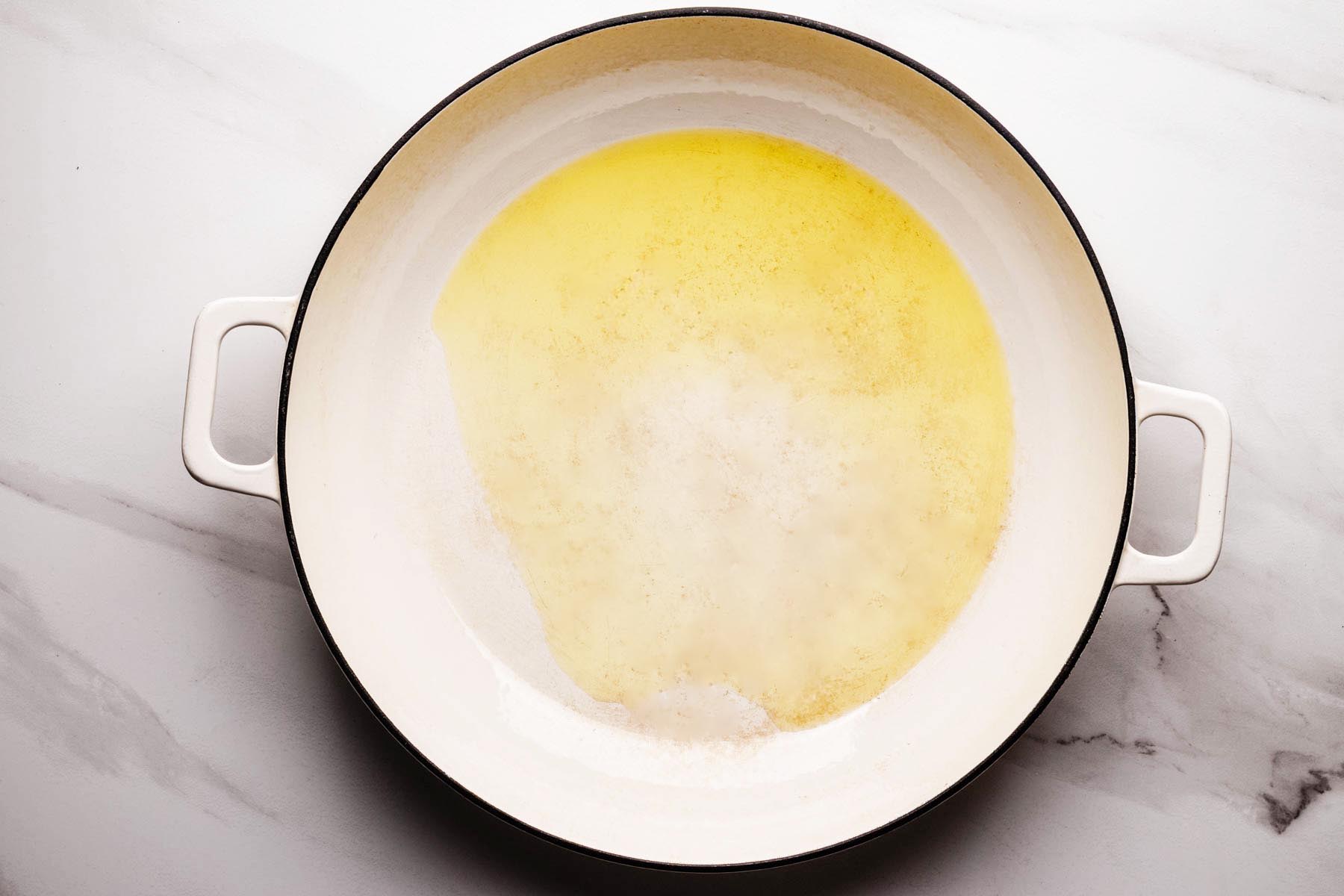
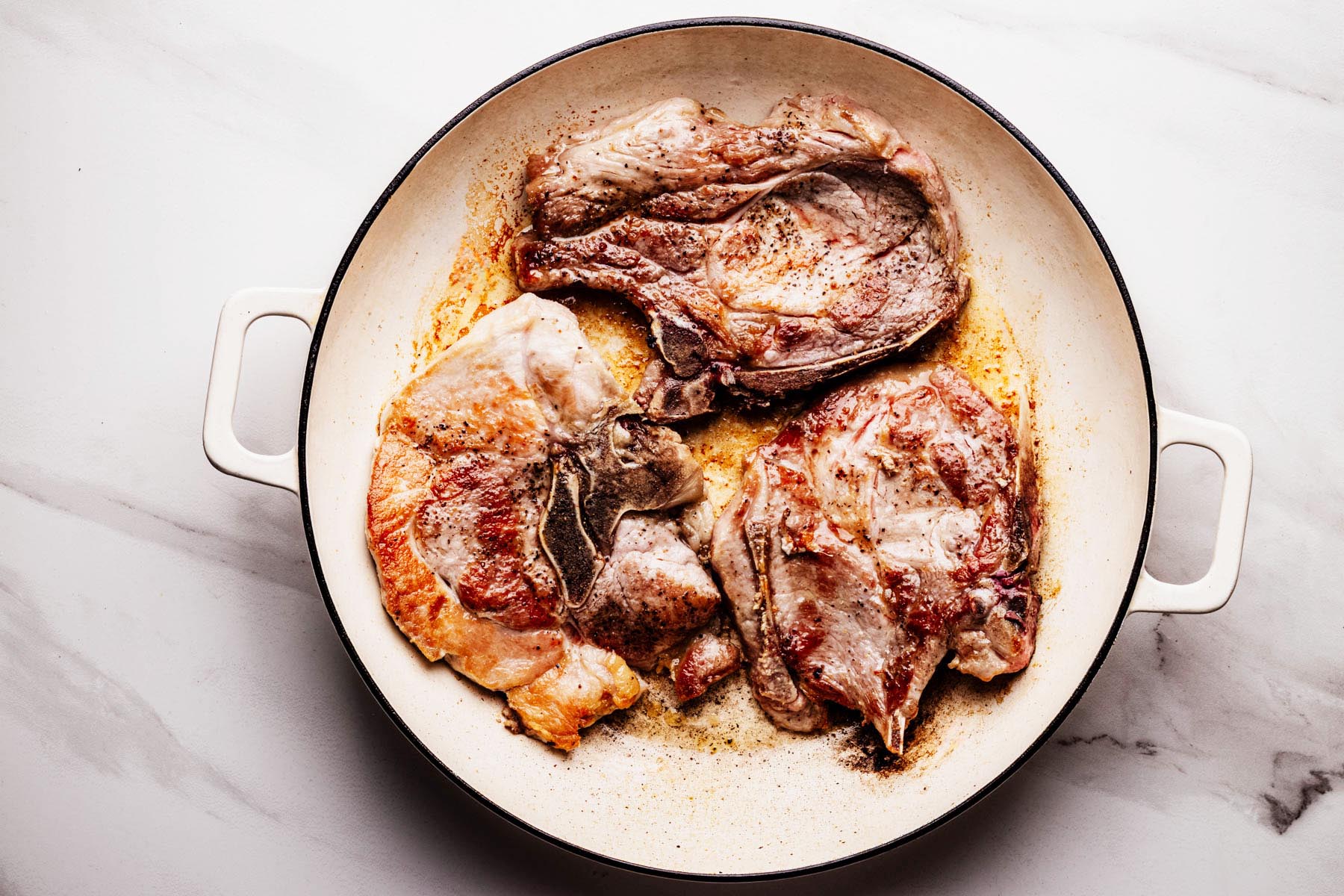
- Heat 2 tablespoons olive oil in a large skillet over medium-high heat (Note 8). When the oil is hot and shimmering, carefully place the pork chops in the skillet. Sear for 2–3 minutes per side, until a golden-brown crust forms.Important: You’re just creating color here. The pork will finish cooking in the sauce later. Transfer chops to a plate and set aside.
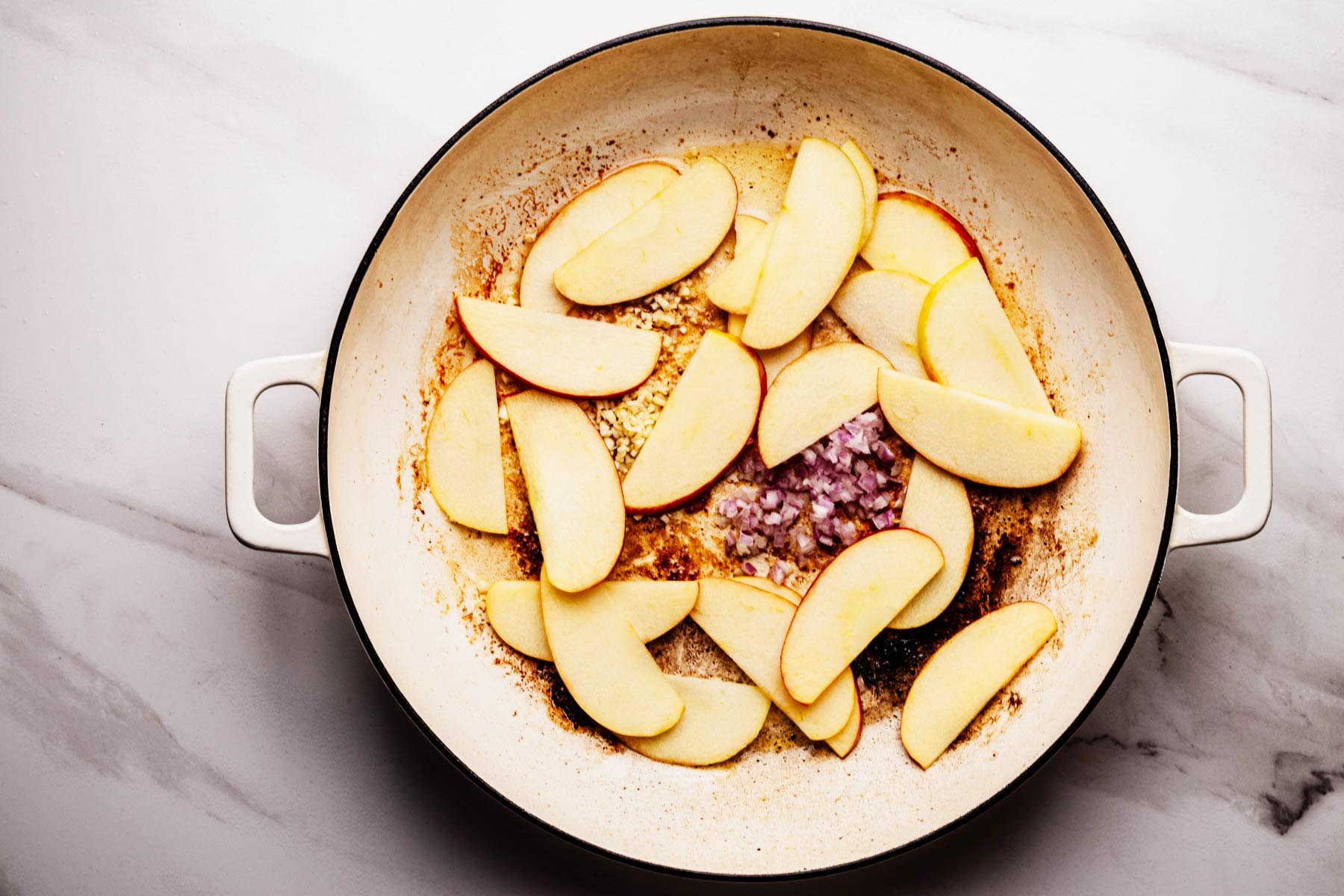
- Reduce heat to medium. Add 1 tablespoon unsalted butter to the same skillet. Once melted, stir in 3 tablespoons finely chopped shallot, 2 garlic cloves (minced), and 1 large apple (sliced). Cook for 3–4 minutes, stirring occasionally, until apples are just softened and starting to brown.
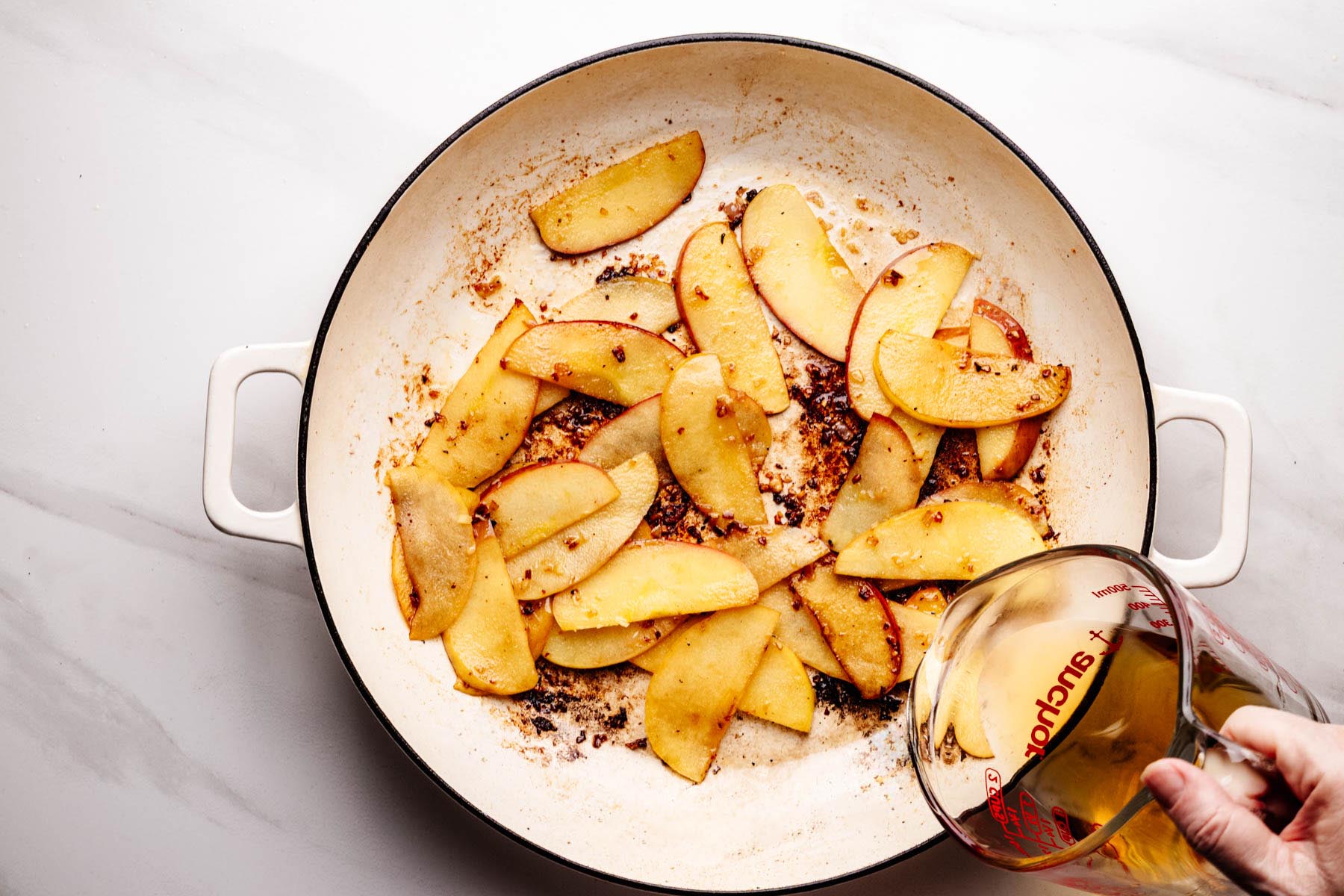
- Remove skillet from heat. Carefully pour in the ½ cup bourbon. It may sizzle. Return skillet to heat and let the bourbon bubble for 1–2 minutes, scraping the browned bits from the pan with a wooden spoon.
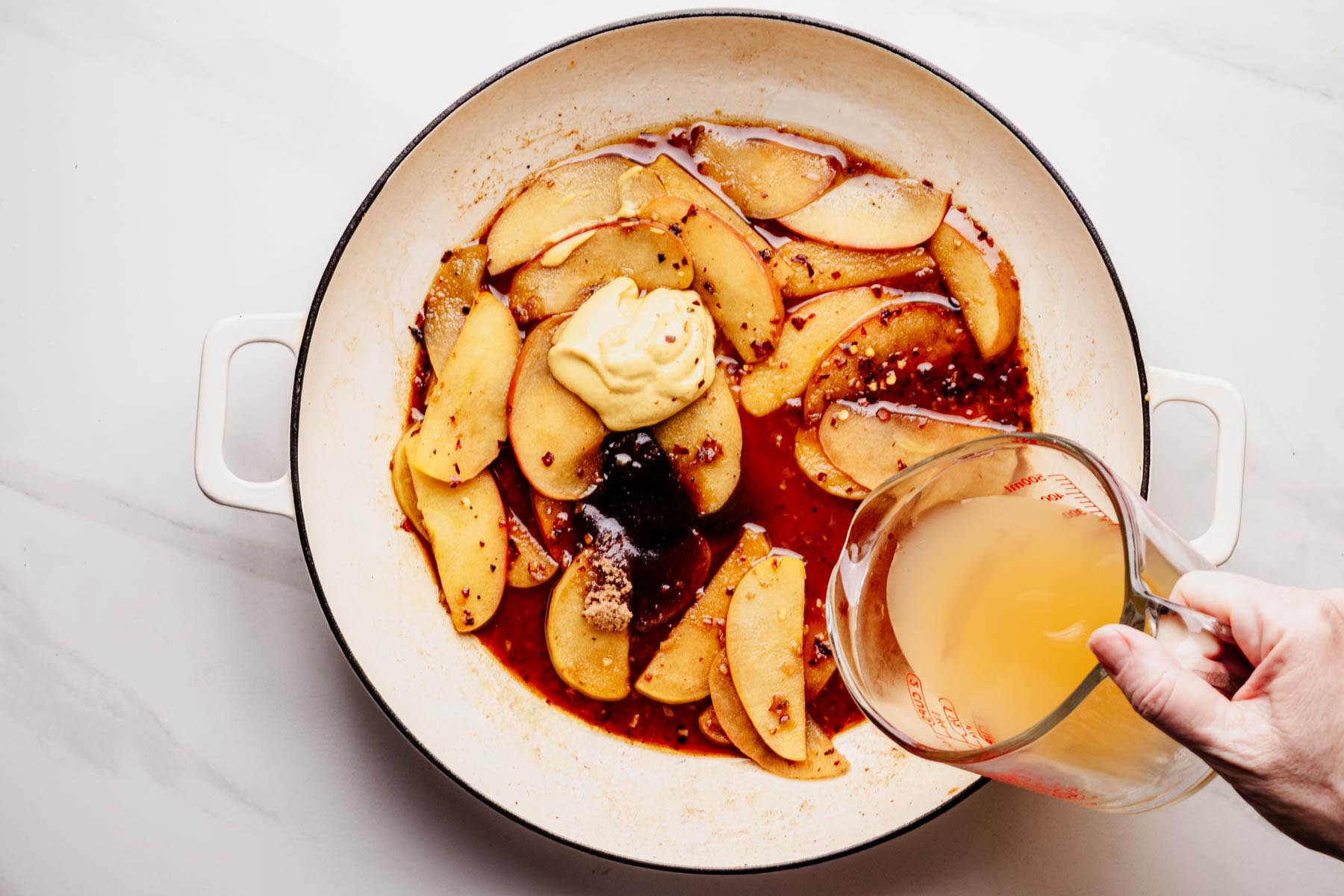
- Stir in ¾ cup apple cider, 1 ½ tablespoons Dijon mustard, 1 tablespoon apple cider vinegar, 1 tablespoon brown sugar (if using), and ¼ teaspoon crushed red pepper flakes. Bring to a simmer over medium heat. Cook uncovered for 5–7 minutes, stirring occasionally, until the sauce reduces and thickens slightly.Tip: The sauce should coat the back of a spoon. (Note 9)If your sauce still looks thin after reducing, stir in the 1 teaspoon cornstarch mixed with 1 tablespoon cold water and simmer for 1–2 more minutes until thickened.
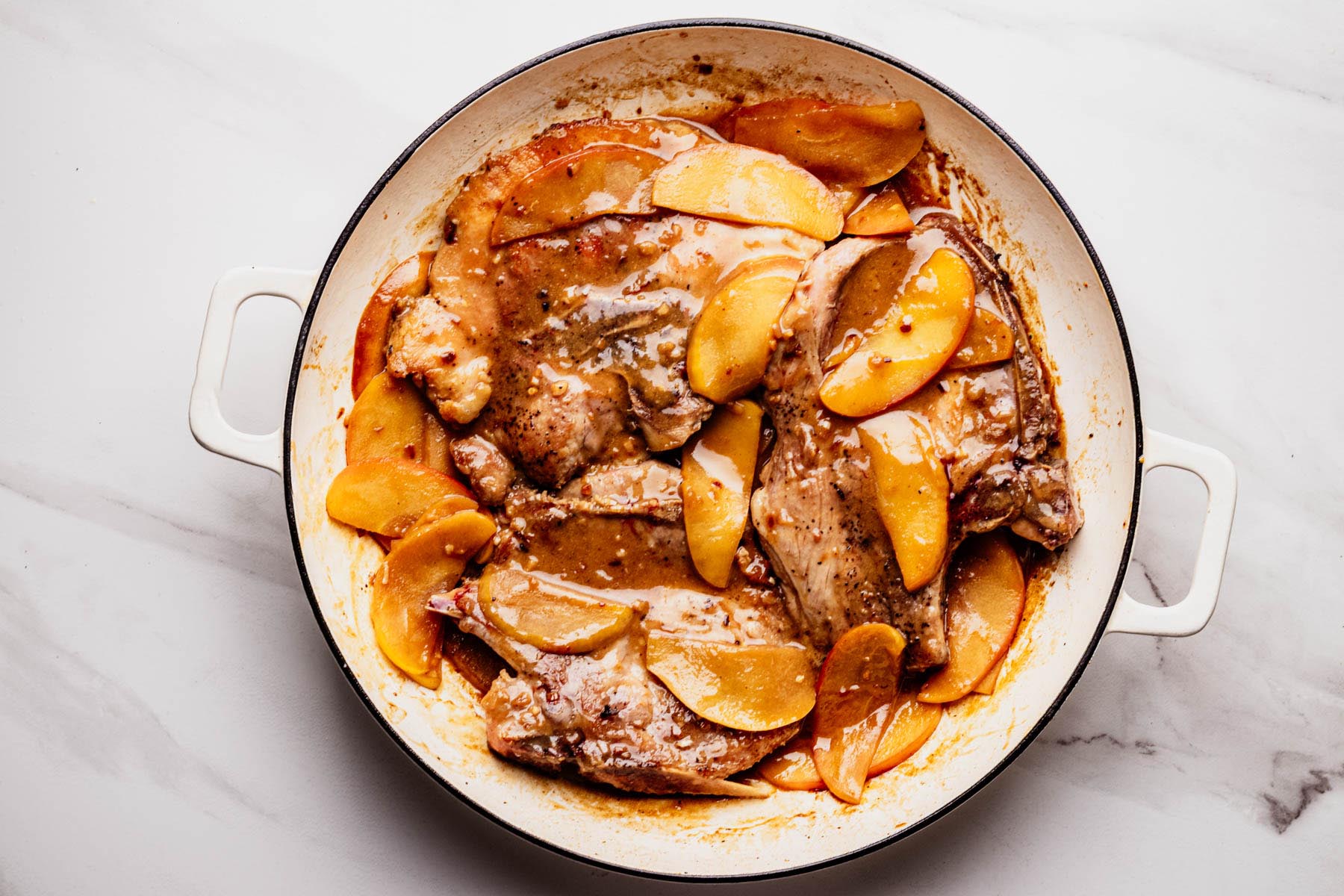
- Return the pork chops (and any juices on the plate) to the skillet. Spoon sauce over the chops. Simmer for 3–5 minutes, turning once or twice, until the chops are fully cooked through (140–145°F internal temperature).
- Remove the skillet from heat. Let the pork chops rest in the sauce for 3–5 minutes before serving. This helps the meat stay juicy.Serve pork chops topped with apples and spoon extra glaze over each one. Garnish with Chopped fresh thyme or parsley.
Notes
- Bone-in pork chops around 1 inch thick work best. Avoid thin chops, which can overcook quickly.
- Use kosher salt for even seasoning and freshly ground black pepper for best flavor.
- Honeycrisp or Pink Lady apples hold their shape and balance sweetness with tartness.
- Use any bourbon you enjoy cooking with. The alcohol mostly cooks off, leaving behind rich flavor.
- Use fresh, unfiltered apple cider for best results. Don’t substitute apple cider vinegar here.
- A stainless steel or cast iron skillet gives the best browning and sauce reduction.
- Drying the pork ensures a proper sear.
- Preheat the skillet until oil shimmers before adding the chops. This helps prevent sticking.
- To check if your sauce is ready, drag a spoon through it. If it leaves a visible line that slowly fills in, it’s thick enough.
